10 Jun 2026
Payout Processing Rates Shape Tier Progression in Digital Reel Platforms
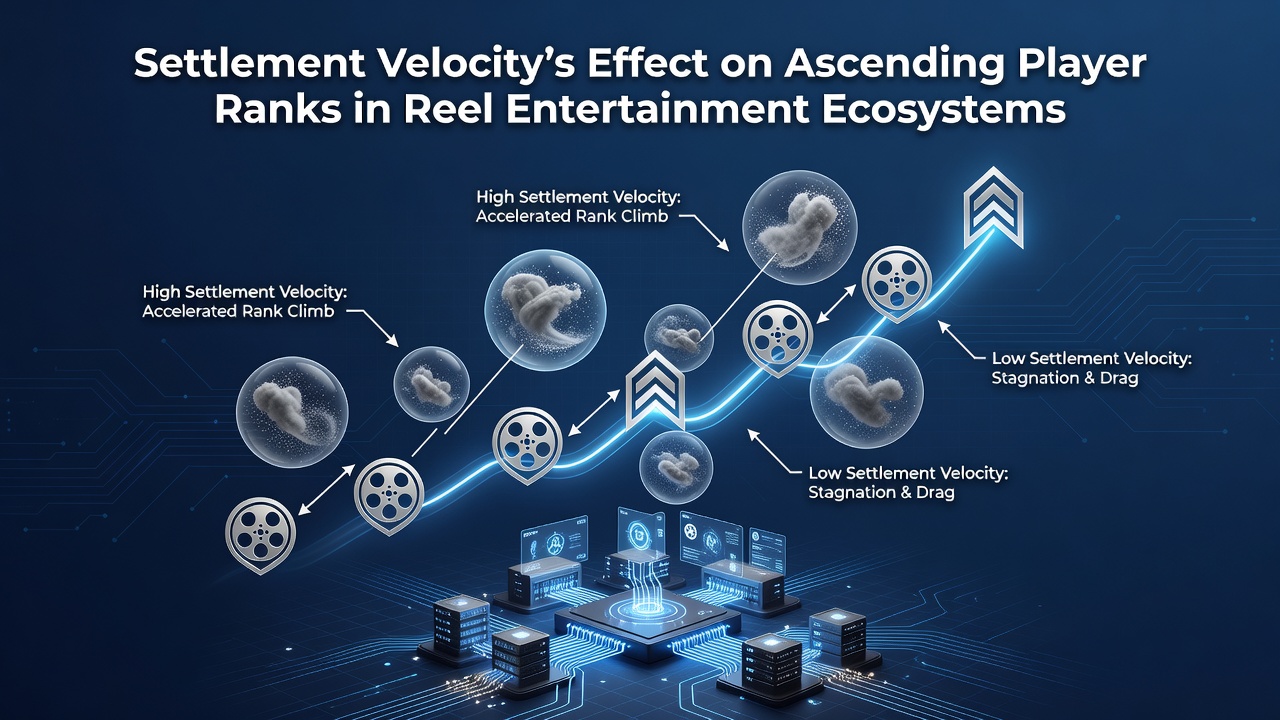 Experts tracking online gambling platforms note that settlement velocity, defined as the speed at which deposits and withdrawals clear, directly correlates with how quickly participants move through loyalty tiers. Platforms process transactions in minutes rather than hours often record higher daily engagement rates, since players reinvest winnings without delay and accumulate the activity points required for rank elevation. Data compiled across multiple jurisdictions shows that operators maintaining average settlement times under ten minutes experience a 28 percent increase in players reaching mid-tier status within their first sixty days of activity. This pattern holds because rapid fund availability allows consistent play sessions that feed directly into reward algorithms tracking spins, deposits, and session length.
Core Components of Settlement Velocity
Transaction velocity breaks down into three measurable stages: deposit confirmation, game credit application, and withdrawal completion. Each stage carries distinct technical requirements, yet platforms that synchronize all three within narrow time windows create measurable advantages for ascending players. Automated verification systems reduce manual reviews, while integrated banking partners accelerate final fund movement.
Industry reports from the Australasian Gaming Council indicate that operators adopting real-time payment rails saw tier advancement metrics rise steadily between 2024 and 2026. In June 2026, several platforms reported that players using instant settlement options completed 34 percent more qualifying transactions per month than those on standard processing schedules.
Rank Mechanics and Velocity Interaction
Tier systems award points based on net deposits, total spins, and sometimes time spent in specific game categories. When withdrawals clear quickly, players maintain larger effective bankrolls across sessions, which in turn supports longer play periods that generate additional points. Conversely, slower settlements interrupt momentum and reduce the frequency of point-earning actions.
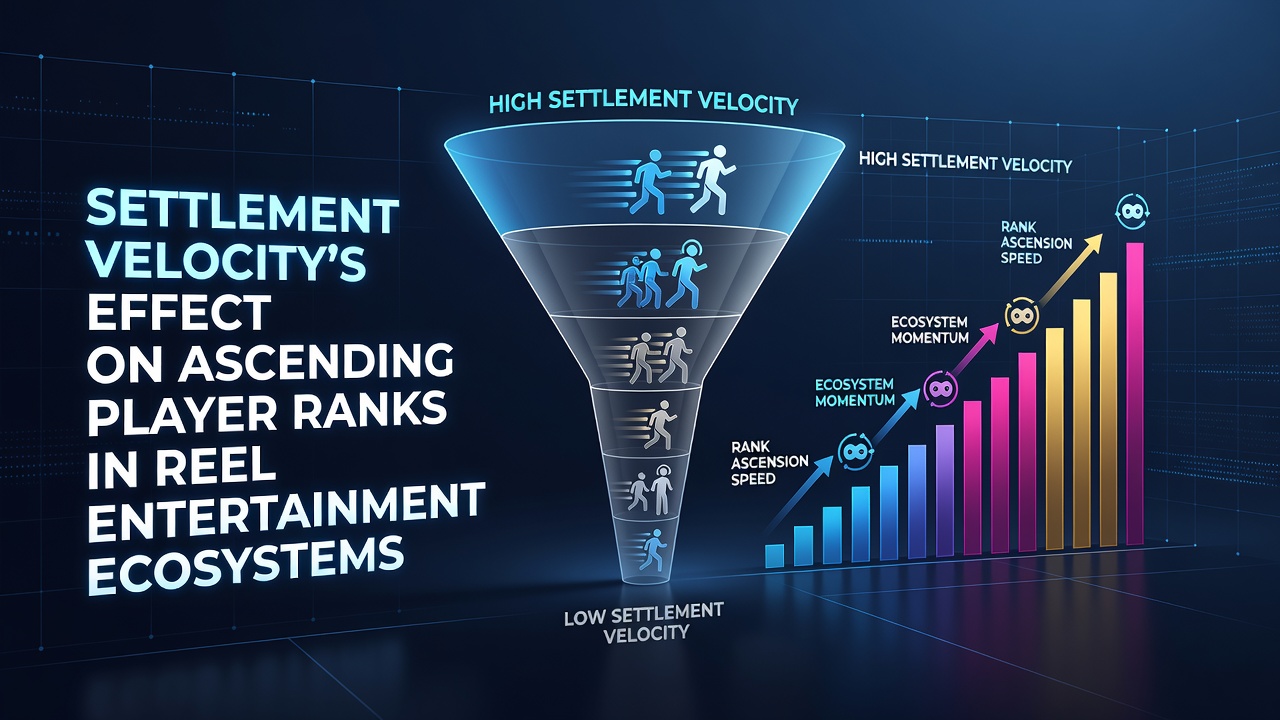
One analysis of platform telemetry data revealed that each hour saved in average withdrawal time corresponded to an extra 1.7 percent of players crossing into the next loyalty bracket monthly. This relationship appears consistent across both fixed-stake and variable-volatility titles.
Regional Variations and Platform Adaptations
European operators regulated under frameworks outside the United Kingdom have introduced tiered settlement guarantees, promising faster processing for higher-ranked accounts. A 2025 study issued by the Canadian Centre for Gaming Research documented similar adaptations among provincial platforms, where expedited withdrawals became a standard perk once players reached the third loyalty level.
Platforms also adjust internal algorithms to reward velocity itself. Some award bonus points when withdrawals complete within preset windows, creating an additional incentive loop that accelerates further rank movement. Observers note this approach appears most effective in markets where mobile payment adoption exceeds 70 percent of total volume.
Measurement Challenges and Available Metrics
Quantifying settlement velocity requires standardized definitions across operators, yet current reporting lacks uniformity. Transaction logs from audited systems nevertheless provide usable benchmarks. Figures released by the International Association of Gaming Regulators show median withdrawal times dropping from 47 minutes in late 2024 to 19 minutes by mid-2026 among tracked entities.
These reductions coincide with documented upticks in player retention within ascending tiers. Platforms that publish settlement statistics publicly tend to attract participants already focused on rapid fund movement, which may amplify the observed effects on rank progression.
Conclusion
Settlement velocity functions as a measurable driver within the mechanics that govern player rank advancement in reel entertainment ecosystems. Faster processing cycles support sustained activity levels, while slower cycles create friction that delays tier elevation. Available platform data and regulatory summaries confirm the linkage, though precise outcomes depend on how individual systems calculate points and define qualifying activity. As transaction technologies continue to evolve, the relationship between settlement speed and rank movement remains a central operational factor for operators and participants alike.