1 Jul 2026
Payment Route Ripples: How Funding Options Shape Bonus Chains, Jackpot Routes, and Tiered Support in Portable Reel Titles
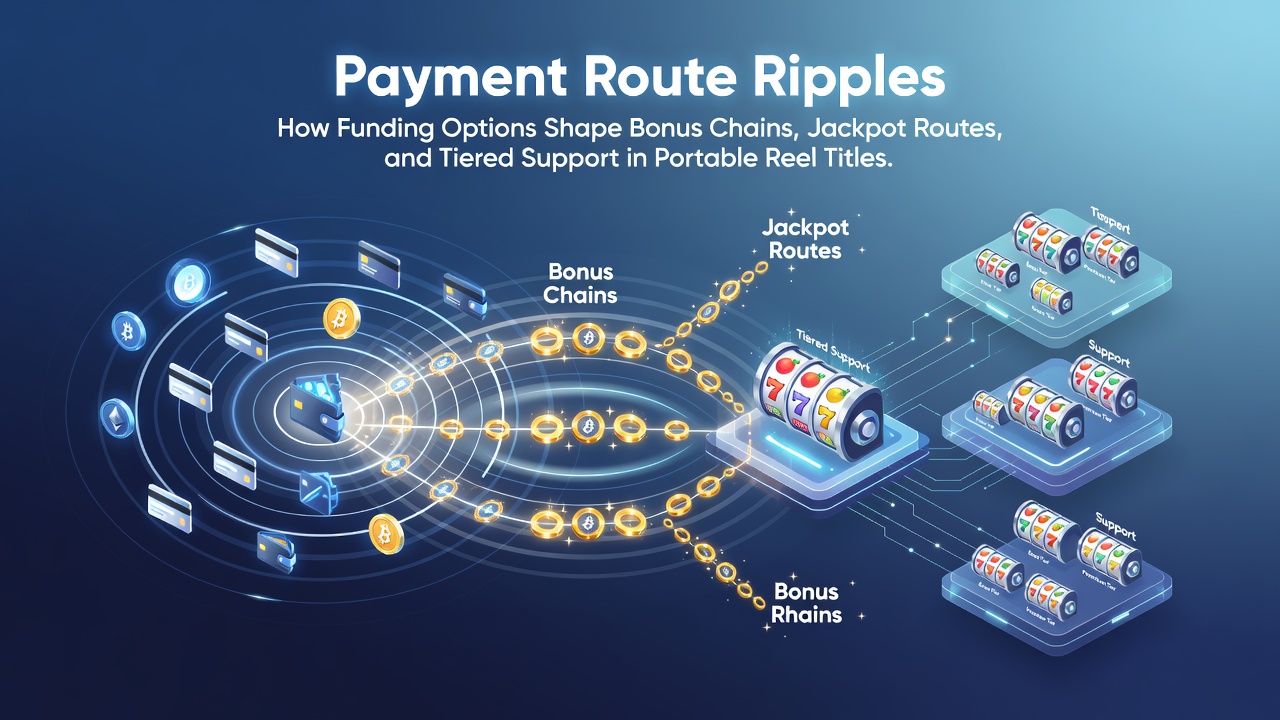
Payment methods in portable reel platforms create distinct pathways that influence how players access bonuses, pursue jackpots, and receive support levels throughout 2026. Funding options such as e-wallets, bank transfers, and cryptocurrency services determine eligibility for chained promotions where initial deposits trigger subsequent reward sequences, while slower processing routes often limit entry into progressive jackpot pools that require verified, rapid transactions. Observers note that these patterns have become more pronounced since regulatory updates in multiple jurisdictions took effect earlier in the year.
Bonus Chain Formation Through Deposit Channels
Deposit speed and verification requirements directly affect bonus chain structures in mobile slot environments, with instant methods like certain digital wallets unlocking multi-stage promotions that build upon one another across consecutive plays. Research from industry reports shows that platforms route these chains so players using faster funding see reward multipliers applied sequentially, whereas traditional bank options extend the activation timeline and reduce the total number of linked bonuses available within a single session. Data indicates that in July 2026 many operators adjusted their systems to prioritize verified instant transfers for these sequences because verification logs demonstrate higher completion rates when funds clear within minutes rather than hours or days.
Those who've examined transaction logs across portable titles find that cryptocurrency deposits frequently open specialized bonus chains tied to volatility settings, allowing players to access higher-stake rounds earlier in the reward progression. This occurs because blockchain confirmations provide immutable records that platforms use to automate tiered bonus releases without additional manual checks, reducing friction compared to card-based routes that trigger extra compliance steps.
Jackpot Route Eligibility and Payment Velocity
Jackpot access in handheld reel games often hinges on the payment route chosen at deposit, with certain methods qualifying players for progressive pools that others exclude due to settlement timing and traceability standards. Figures from gaming association studies reveal that e-wallet and instant bank transfer users reach jackpot eligibility thresholds faster because their transaction histories meet the continuous-play requirements embedded in many progressive systems. Slower routes, by contrast, create gaps in activity tracking that delay or block entry until the next funding cycle completes.
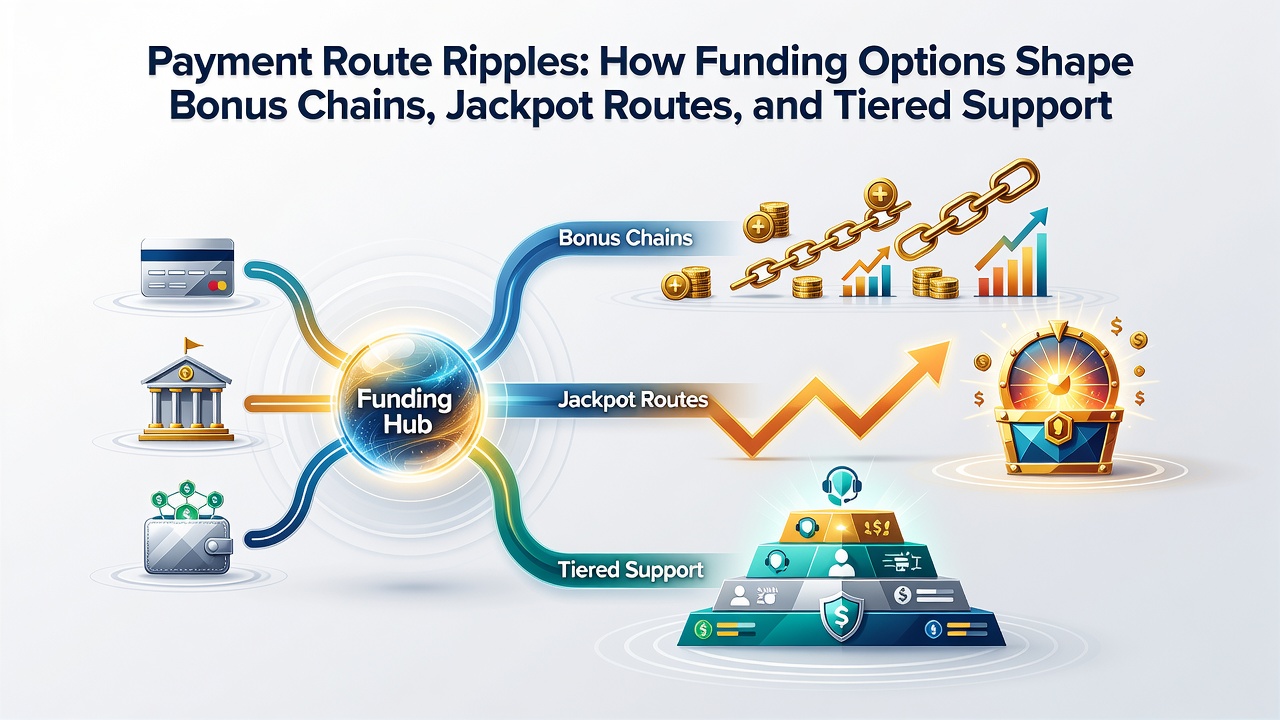
One case documented by platform analysts showed that players switching to cryptocurrency funding mid-session gained immediate access to a previously restricted progressive route because the transaction provided the required audit trail within seconds. This shift illustrates how funding velocity shapes jackpot participation, particularly when titles enforce real-time balance verification for pool contributions. According to findings published by the Nevada Gaming Control Board, such patterns appear consistently across mobile-optimized games where payment method metadata feeds directly into jackpot routing algorithms.
Tiered Support Structures Linked to Transaction History
Customer support tiers in portable reel environments escalate based on payment consistency and volume rather than playtime alone, creating differentiated service levels that favor users with established, rapid funding patterns. Industry data shows that accounts funded through verified instant channels receive priority routing to specialized agents because transaction records allow quicker identity confirmation and dispute resolution. Slower or variable payment methods keep accounts in general support queues until cumulative history demonstrates reliability over multiple cycles.
Those monitoring service metrics across platforms note that loyalty programs integrate payment route data to determine tier upgrades, with cryptocurrency and e-wallet users advancing faster due to transparent, timestamped records that support teams reference during escalations. This linkage means players experience shorter wait times and more customized assistance when their funding history aligns with platform verification protocols, a dynamic that has strengthened following system updates rolled out in mid-2026.
Conclusion
Funding options continue to generate ripple effects across bonus chains, jackpot eligibility, and support tiers in portable reel titles, with transaction speed and verification depth serving as primary determinants. Platforms adjust routing logic based on payment metadata, producing measurable differences in how players progress through reward sequences and access assistance. As transaction technologies evolve, these connections between funding routes and game features remain central to understanding player pathways in mobile slot environments.