5 Aug 2026
Integration Patterns Between Support Channels and Loyalty Tiers in Mobile High-Volatility Slot Systems
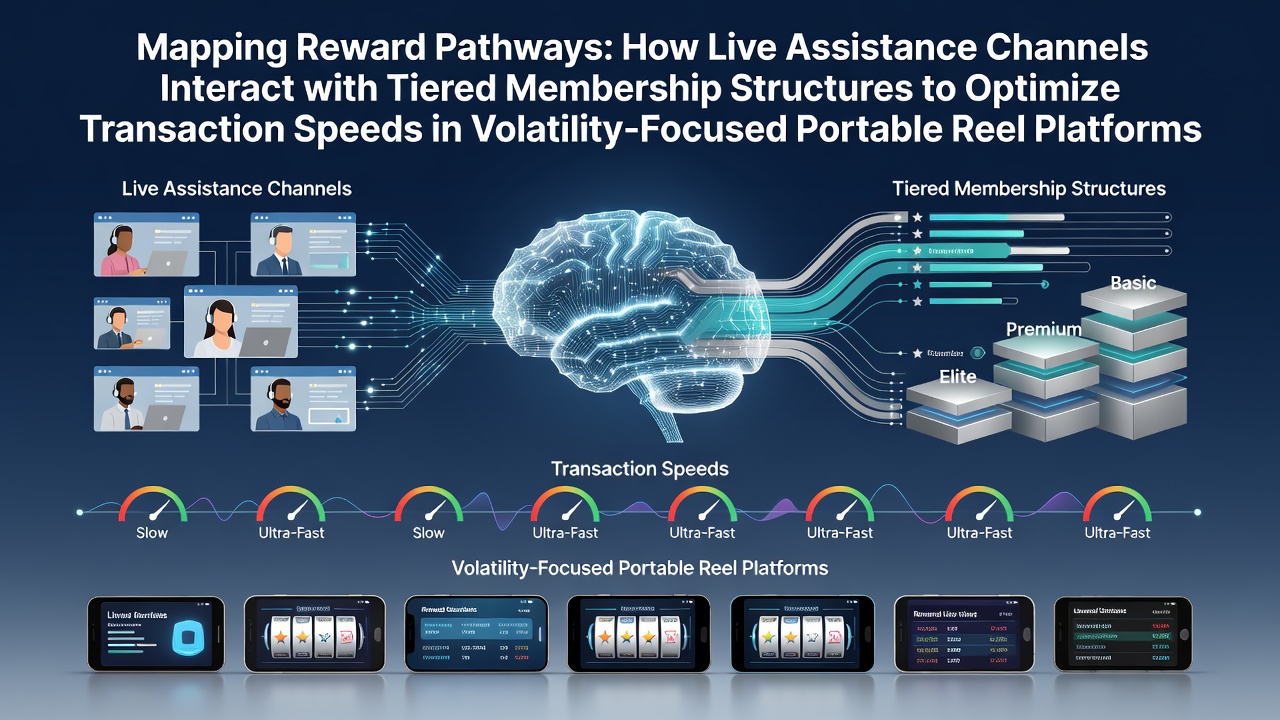
Platform operators track reward pathways through data systems that record how live assistance interacts with membership tiers during payout requests, and these interactions become measurable when volatility settings trigger larger win frequencies in portable reel applications. Studies of user behavior indicate that priority routing occurs once support staff verify tier status, which reduces queue times during peak activity periods in August 2026.
Core Components of Tiered Structures
Membership levels assign different response protocols, where higher tiers receive dedicated agent assignment and pre-verified payment channels, while entry levels follow standard verification sequences. Data from multiple operators shows that these layers correlate with reduced processing intervals when live channels confirm identity details in real time. Observers note that portable platforms maintain separate databases for tier attributes, allowing support systems to pull eligibility flags without additional user input.
Live Assistance Channel Mechanics
Chat and voice options operate through integrated dashboards that display membership data alongside transaction history, enabling agents to authorize faster approvals for qualifying accounts. Research from industry reports reveals that average handling times drop when agents access volatility filters that flag recent high-variance sessions. This setup supports quicker fund movements because verification steps align directly with tier permissions rather than repeating full compliance checks.
Transaction Speed Optimization Factors
Volatility-focused designs in mobile reels produce irregular payout patterns that benefit from streamlined support flows, and operators adjust queue priorities accordingly. According to findings published by the University of Nevada, Reno gaming research group, systems that link assistance logs with tier databases achieve measurable reductions in transfer completion windows across tested applications. External verification steps remain consistent, yet the presence of pre-approved tier flags allows agents to bypass redundant checks in many cases.
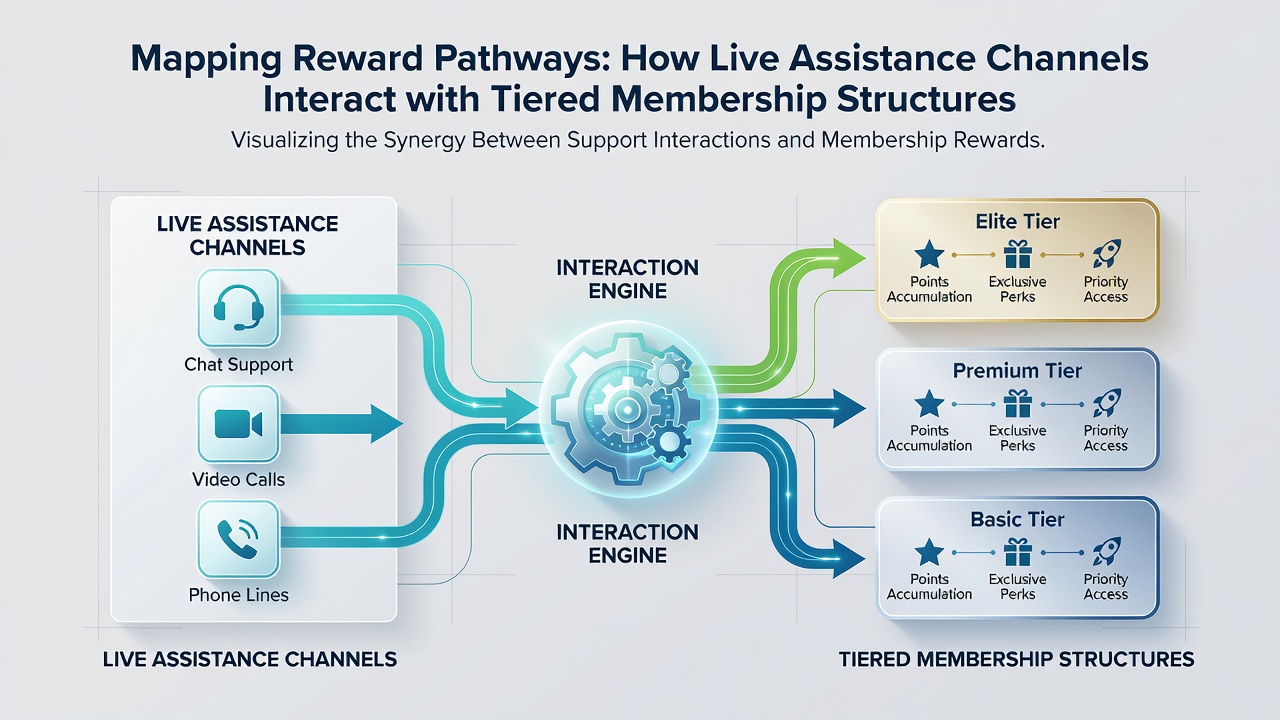
Additional acceleration comes from automated alerts sent to support teams when volatility thresholds are crossed, prompting proactive contact offers. Figures from the Canadian Gaming Association annual review indicate that platforms employing these alerts report improved completion rates for large-value transfers tied to sudden reel outcomes.
Mapping Reward Pathways in Practice
Pathway mapping involves logging each interaction point between support requests and tier benefits, creating datasets that operators use to refine routing rules. Those who analyze these maps find that live channels serve as the primary junction where tier status converts into faster execution. In August 2026 platform updates, several providers introduced enhanced dashboard views that highlight pending requests from higher tiers during high-volatility periods.
Industry organizations such as the European Gaming and Betting Association have documented similar patterns across regional operators, showing consistent correlations between tier verification speed and overall transaction velocity. The mapping process also accounts for portable device constraints, where session data must sync reliably across networks without delaying support handoffs.
Conclusion
Platform data continues to demonstrate that coordinated live assistance and tiered structures produce measurable improvements in transaction handling within volatility-oriented mobile reel environments. Continued refinement of these pathways depends on accurate logging and responsive dashboard tools that keep pace with changing game parameters.