24 Jun 2026
Integrating Payment Networks with Slot Volatility Data to Facilitate Reward Tiers in Mobile Game Evaluations
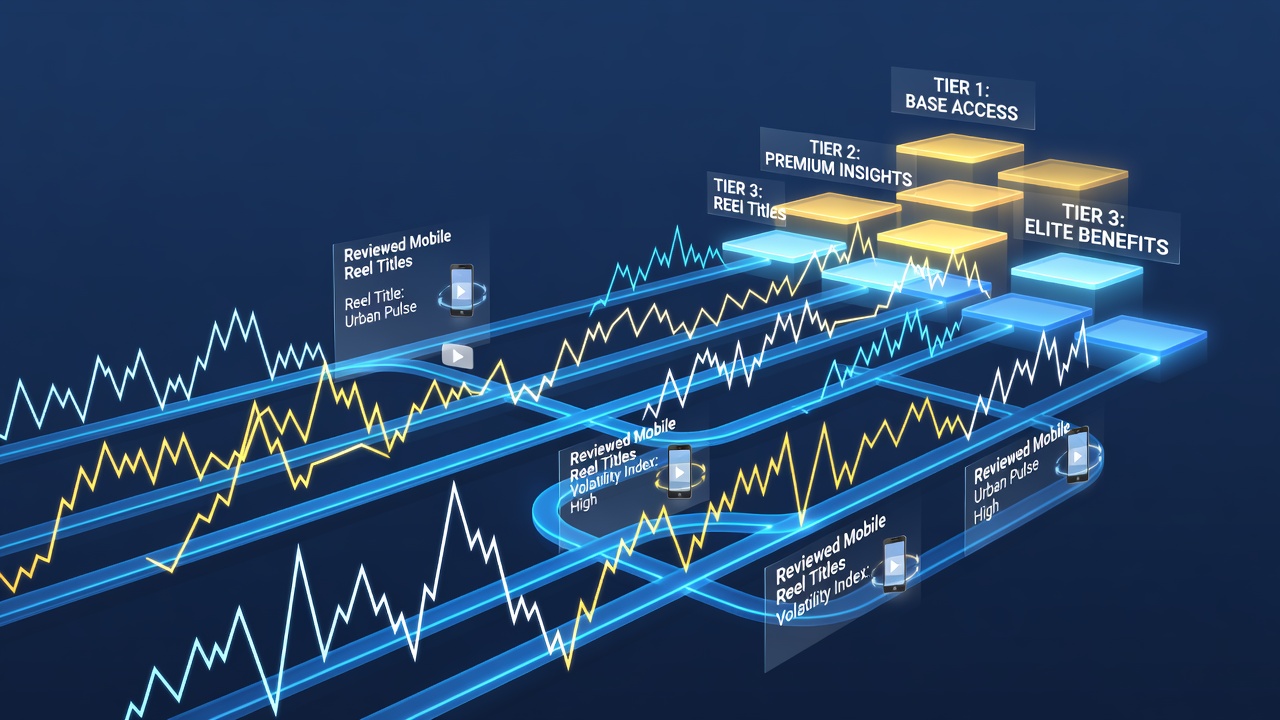
Data from industry reports shows that mobile slot platforms have started aligning payment processing systems with game volatility metrics, which allows operators to structure tiered reward programs based on player activity patterns in reviewed titles. Observers note that this synchronization helps match transaction speeds and methods to the risk profiles of individual games, creating pathways for players to access escalating benefits through consistent engagement.
Volatility in slot games refers to the frequency and size of payouts, with low-volatility titles delivering smaller wins more often while high-volatility options produce larger but less frequent returns. Researchers have documented how reviewed mobile reels incorporate these patterns into their design, and platforms now use payment rail data to identify when players shift between volatility types during sessions.
Payment Rail Capabilities and Volatility Matching
Modern payment rails include instant bank transfers, digital wallets, and certain cryptocurrency options that process funds in seconds rather than hours. Studies from the Nevada Gaming Control Board indicate these systems can log transaction timing alongside game data, which lets operators detect correlations between payment method choices and volatility preferences in mobile environments.
Platforms categorize reviewed titles by volatility bands during the evaluation process. Low-volatility games pair with standard payment flows that emphasize reliability, whereas high-volatility selections connect to faster rails that support quicker deposit and withdrawal cycles. This matching process feeds into reward algorithms that track how payment velocity aligns with play patterns over multiple sessions.
Tiered Reward Structures Built on Alignment Data
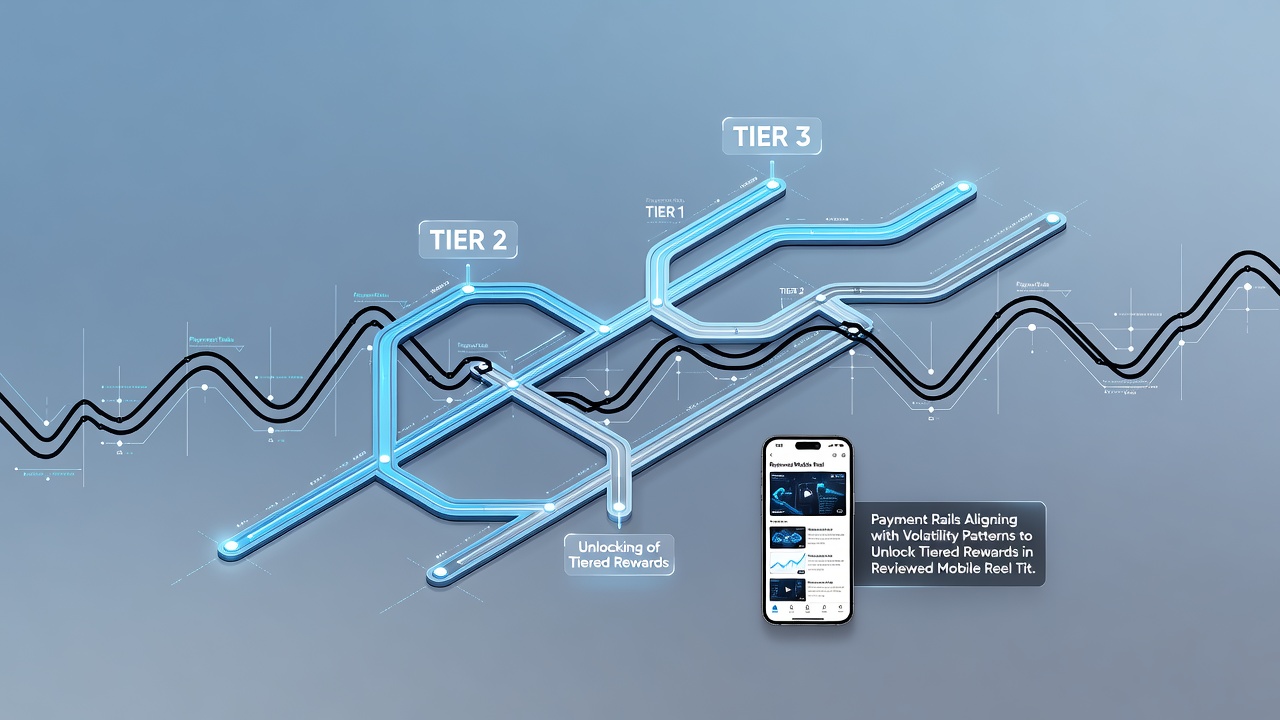
Tiered rewards in these systems unlock through cumulative metrics that combine payment consistency with volatility exposure. Entry-level tiers grant basic free spin allocations after a set number of aligned transactions in reviewed low-volatility titles, while mid-tier access requires demonstrated activity across mixed volatility profiles using expedited rails.
Higher tiers incorporate progressive elements where players who maintain alignment across reviewed high-volatility games receive priority jackpot entries and customized deposit multipliers. Figures from the Canadian Gaming Association reveal that operators implementing such data-driven tiers have recorded measurable increases in session duration when payment rails adapt to volatility signals in real time.
Implementation in Reviewed Mobile Titles
Reviewed mobile reel titles undergo structured assessments that document volatility curves alongside compatible payment integrations. One case involved a series of Megaways titles where operators mapped payment rail performance to the games' high-variance bonus rounds, resulting in reward tiers that activated after players completed verified deposit sequences during peak volatility segments.
Another set of reviewed titles focused on classic three-reel formats with lower volatility ratings. Here, platforms used slower but more stable payment options to build foundational tiers, then transitioned users to instant rails once activity patterns indicated readiness for higher-volatility content within the same ecosystem.
Developments Observed in June 2026
By June 2026, several operators had expanded these alignment protocols to include predictive analytics that forecast volatility shifts based on historical payment behavior. Reports from the Australian Communications and Media Authority highlight how regulatory frameworks in that region encouraged transparent disclosure of how payment data influences reward eligibility in mobile slot environments.
These updates coincided with broader adoption of API connections between payment processors and game engines, allowing reviewed titles to surface volatility-adjusted reward prompts directly in mobile interfaces. Players encounter tier progression indicators that reflect both their current volatility exposure and the payment rails supporting their activity.
Conclusion
Payment rail alignment with volatility patterns provides a measurable framework for delivering tiered rewards across reviewed mobile reel titles. Data from multiple regulatory and industry sources confirms that this approach continues to shape how operators structure incentives while maintaining compliance with evolving technical standards. The integration remains an active area of development as platforms refine the connections between transaction systems and game risk profiles.