7 Aug 2026
Integrated Tier Systems and Their Connection to Instant Withdrawals Within Mobile Gaming Ecosystems
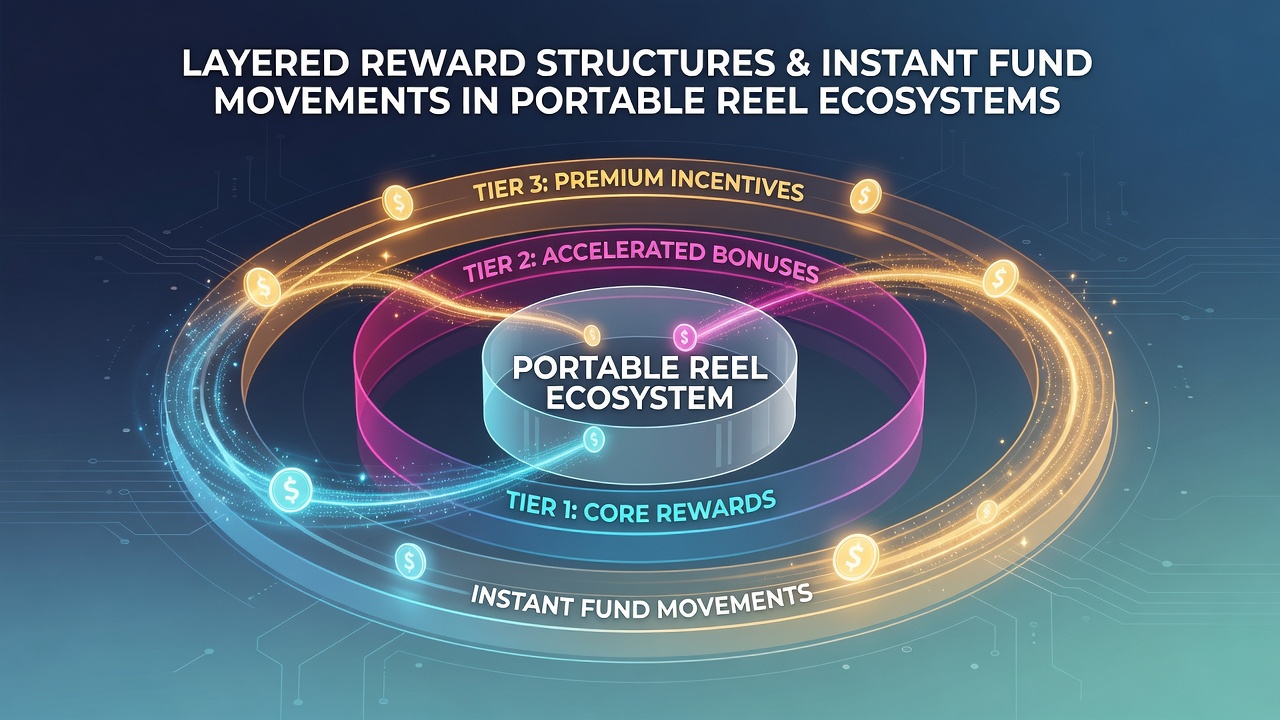
Layered reward structures in portable reel ecosystems connect directly to instant fund movements through tiered loyalty programs that unlock progressively faster transaction speeds and higher withdrawal limits as players advance through defined levels. These systems operate by tracking player activity metrics such as wager volume, session frequency, and game variety, then assigning status based on cumulative data points that trigger automatic upgrades in payment processing priority. Research from industry reports shows that platforms implementing these combined mechanisms experience measurable increases in user retention rates because the promise of expedited access to winnings reinforces continued engagement across multiple device sessions.
Mechanics of Tier Progression and Payment Integration
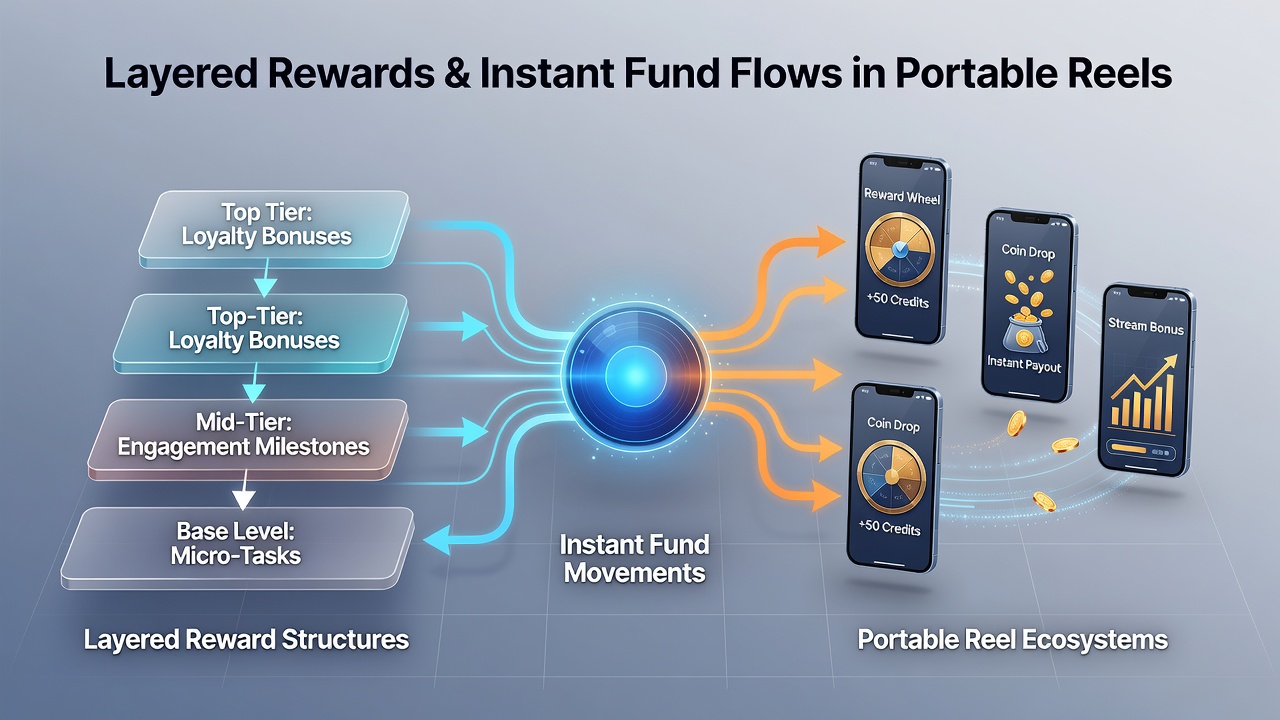
Entry-level tiers typically grant standard processing times for deposits and withdrawals, whereas mid-tier and top-tier classifications activate reduced verification steps along with dedicated channels that route transactions ahead of general queues. Data indicates that once a player reaches a specified activity threshold, automated systems adjust account settings to permit near-instant fund releases, often completing within minutes rather than hours or days. This linkage between status elevation and transaction velocity stems from backend algorithms that flag high-value accounts for streamlined handling, reducing manual review bottlenecks that affect lower-tier users. Observers note that such integration relies on real-time data synchronization between reward databases and payment gateways, ensuring that status changes reflect immediately in available withdrawal options without requiring separate player requests.
Regional Data Patterns Emerging in Mid-2026
Figures released in August 2026 from gaming analytics providers across multiple markets reveal consistent patterns where platforms offering combined tiered rewards and rapid payouts report higher average session durations compared to those separating the two features. In markets outside the United Kingdom, including Canada and Australia, operators have documented that players advancing through three or more reward layers tend to initiate more frequent deposits because they anticipate quicker access to any accumulated balances. A report compiled by the American Gaming Association highlights similar trends in North American mobile gaming segments, noting that instant fund movement capabilities tied to loyalty status correlate with reduced churn among users who reach mid-tier status within the first month of activity.
Technical implementation involves API connections that push status updates from the loyalty engine directly into the payment processor, allowing the system to apply different fee structures, limit thresholds, and processing speeds according to the current tier. Those who've examined platform architectures find that this automation minimizes delays caused by manual compliance checks, since higher tiers often carry pre-approved status based on prior verified activity. What's interesting here is how the same data streams used to calculate reward points simultaneously inform risk models that determine whether a withdrawal can bypass standard hold periods.
Player Journey Through Tiered Incentives
Take one documented case from a European operator where a player starting at the base level completed a series of sessions that triggered an upgrade after reaching a defined wager total, at which point withdrawal processing shifted from a 24-hour window to same-day execution. Studies compiled by university research groups in Australia demonstrate that such transitions encourage players to maintain consistent activity patterns because the tangible benefit of faster fund access becomes visible shortly after status changes occur. Yet the underlying structure remains consistent across providers: each layer imposes specific criteria for advancement while simultaneously expanding the range of payment methods and speed options available to the account holder.
Additional layers frequently incorporate priority access to certain jackpot pools or bonus features, but the core connection to instant movements centers on the payment side. Evidence suggests that operators achieve this by maintaining separate processing pipelines for different status groups, with top-tier accounts routed through premium gateways that operate with minimal latency. Researchers discovered through platform audits that these pipelines rely on pre-cleared banking details and biometric verification methods stored during earlier lower-tier interactions, eliminating redundant checks at the moment of withdrawal.
Technical and Regulatory Considerations
Compliance frameworks in various jurisdictions require that any acceleration of fund movements remains subject to the same anti-money laundering protocols applied to all accounts, though higher tiers may utilize continuous monitoring rather than per-transaction reviews. Data from the Australian Gambling Research Centre indicates that platforms balancing rapid payouts with layered rewards must still adhere to mandatory cooling-off periods in certain scenarios, regardless of player status. This creates a hybrid model where instant movements apply within defined parameters while preserving regulatory safeguards.
Conclusion
Layered reward structures and instant fund movements in portable reel ecosystems function through interconnected systems that update transaction parameters automatically as players meet activity milestones. The relationship between these elements rests on synchronized databases and prioritized processing channels that deliver measurable differences in speed and limits according to tier. Continued evolution of these integrations appears tied to advancements in real-time analytics and payment infrastructure, with regional reports from August 2026 confirming sustained adoption across mobile gaming platforms operating under diverse regulatory environments.